
Why Gut Health Is the Foundation of Whole-Body Wellness: A Clear Guide to Immunity, Mood, and Longevity
Your gut affects digestion, immunity, mood, skin, hormones, and energy — it literally shapes how you feel and function every day. A balanced gut microbiome and healthy gut lining create the foundation for whole-body wellness by supporting nutrient absorption, regulating inflammation, and communicating with your brain and immune system.
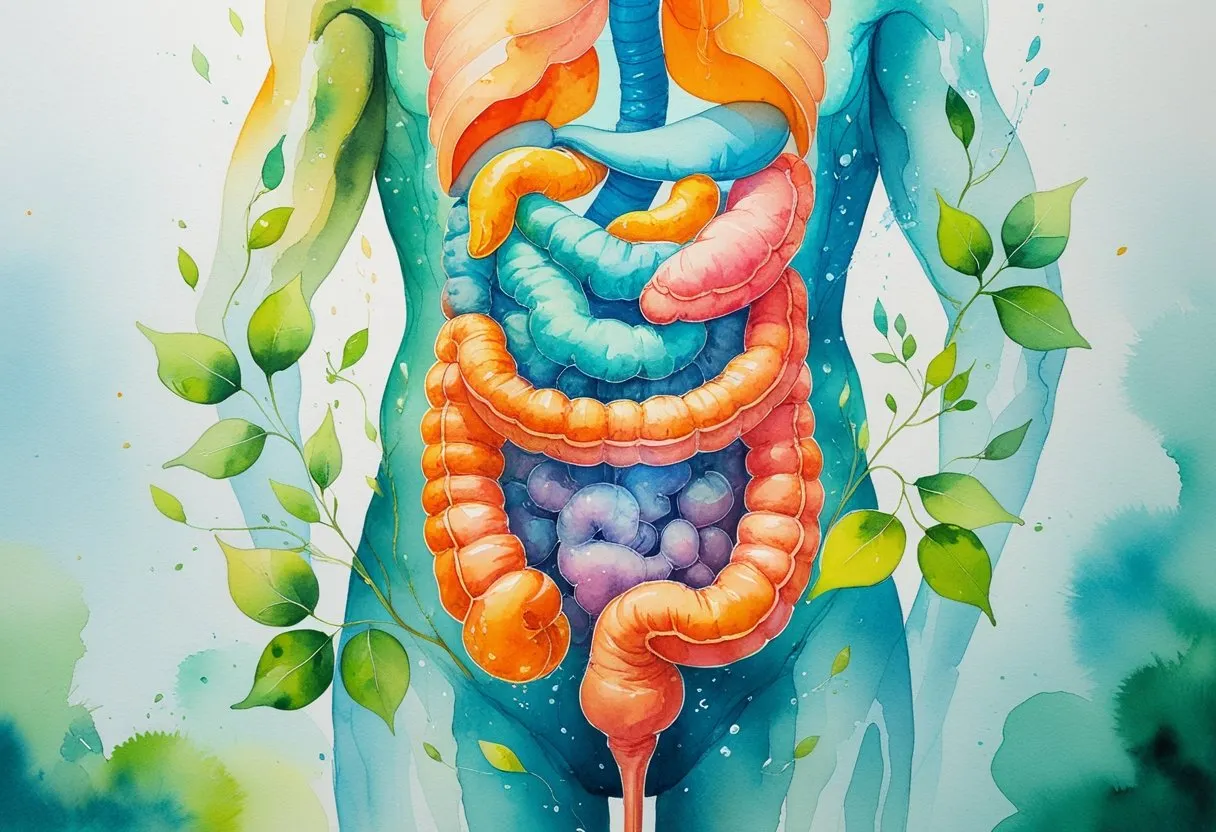
This article explains how the gut connects to other systems, what commonly disrupts gut balance, and practical steps you can take to restore and maintain gut health through diet, lifestyle, and targeted interventions. Expect clear explanations of root causes, life-stage considerations, long-term benefits, and emerging research so you can make informed choices that improve how you look, think, and move.
Understanding Gut Health
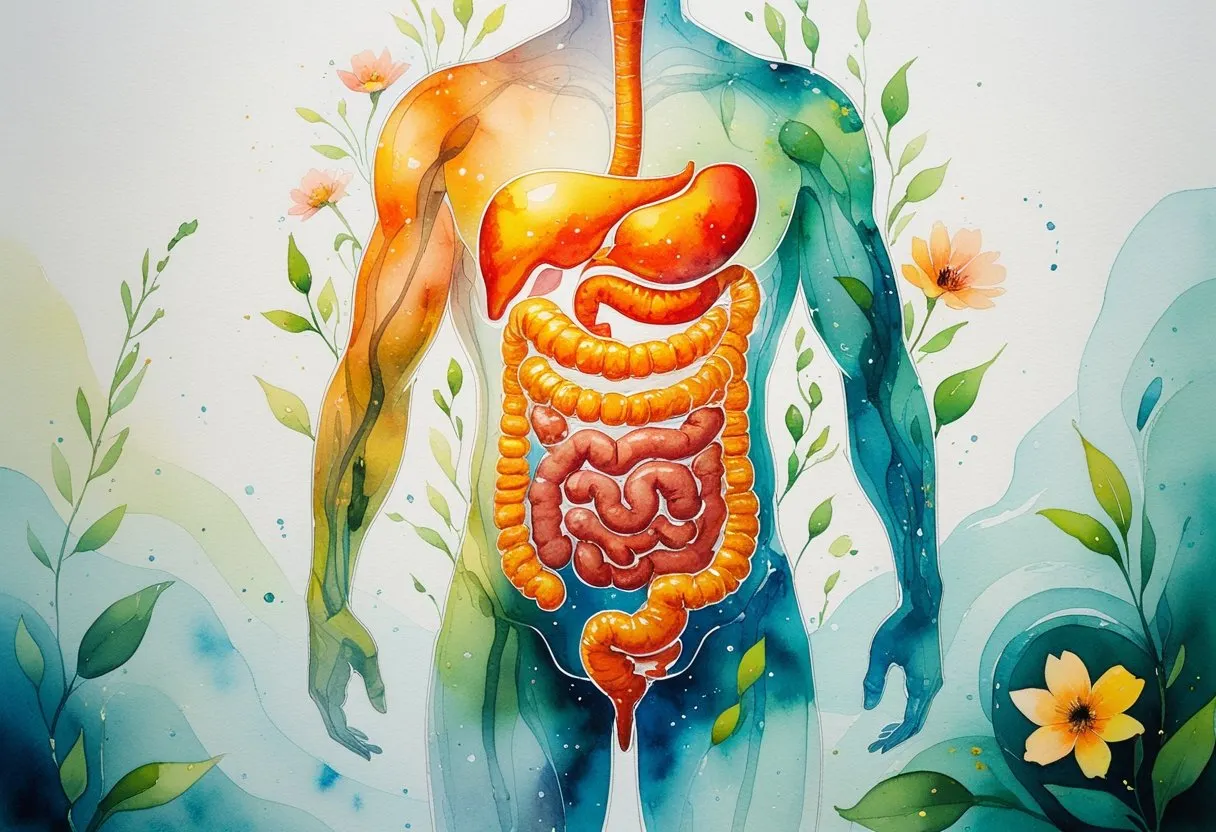
Your gut shapes digestion, immunity, mood, and nutrient processing. Small shifts in microbes, barrier function, or motility can produce clear symptoms and measurable changes in blood markers.
What Is the Gut Microbiome
The gut microbiome is the community of bacteria, viruses, fungi, and other microbes that live along your digestive tract. These organisms number in the trillions and contain far more genes than your human genome, which affects how your body digests fiber, produces short-chain fatty acids, and metabolizes drugs and hormones.
Microbial composition varies by diet, antibiotic exposure, stress, sleep, and environment. A more diverse microbiome generally supports resilience; low diversity or overgrowth of specific species links to inflammation, insulin resistance, and some gastrointestinal disorders. You can influence your microbiome through fermentable fiber, fermented foods, reduced unnecessary antibiotics, and consistent sleep.
Key Functions of the Digestive System
Your digestive system breaks food into absorbable nutrients, protects against pathogens, and coordinates immune signaling. Mechanical processes (chewing, peristalsis) mix and move food while enzymes and stomach acid start macronutrient breakdown.
The intestines absorb amino acids, fatty acids, vitamins, and minerals into the bloodstream. The gut barrier (mucus, epithelial cells, tight junctions) prevents microbes and large molecules from entering circulation. Gut-associated lymphoid tissue (GALT) samples antigens and educates immune cells, so gut function directly affects systemic inflammation and vaccine responses.
Common Signs of an Unhealthy Gut
Watch for persistent bloating, alternating constipation and diarrhea, and frequent heartburn; these suggest motility or digestion issues. Extraintestinal signs include unexplained fatigue, new-onset skin rashes, and mood changes reflecting immune or metabolic links with the gut.
Other red flags include unintentional weight loss, recurrent antibiotic-associated diarrhea, and nutrient deficiencies (iron, B12, vitamin D) despite intake. If you have multiple persistent symptoms, abnormal labs (inflammatory markers, anemia), or severe pain, seek medical evaluation to rule out infections, inflammatory bowel disease, or malabsorption.
How Gut Health Influences Whole-Body Wellness
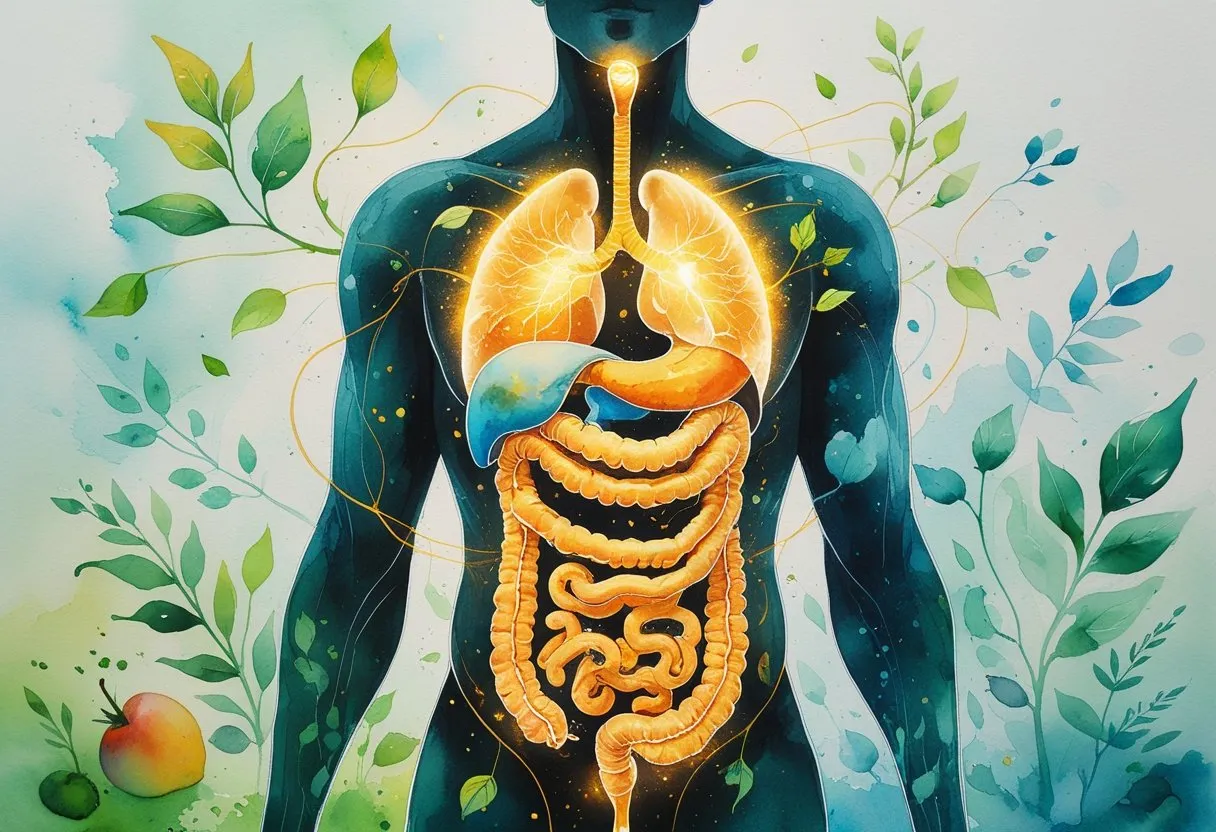
Gut function affects immunity, nutrient delivery, and brain signaling in concrete ways that change how you feel and perform daily. Small changes in microbiome balance, barrier integrity, or digestion can shift inflammation, nutrient status, and neurotransmitter supply.
Immune System Regulation
About 70% of your immune tissue resides in the gut-associated lymphoid tissue (GALT), so microbial composition directly shapes immune education. Beneficial bacteria stimulate regulatory T cells and anti-inflammatory cytokines, which lower chronic systemic inflammation. Pathogenic overgrowth or low diversity, by contrast, increases pro-inflammatory signaling and raises risk for allergic, autoimmune, or metabolic conditions.
Your intestinal barrier also matters. Tight junction disruption lets bacterial products like lipopolysaccharide (LPS) enter circulation, triggering immune activation and insulin resistance. Supporting barrier health through fiber, certain polyphenols, and adequate zinc reduces translocation and calms immune overreaction.
Practical actions you can take include eating diverse plant fibers, avoiding unnecessary antibiotics, and addressing chronic infections or dysbiosis with targeted care. These steps shift immune tone toward tolerance and controlled defense rather than persistent inflammation.
Nutrient Absorption and Metabolism
Your microbiome helps extract energy and synthesize essential compounds: short-chain fatty acids (SCFAs) from fiber feed colon cells and influence glucose and lipid metabolism. SCFAs like butyrate support epithelial health and regulate appetite hormones such as GLP-1 and PYY, affecting weight and blood sugar control.
Dysbiosis can impair absorption of vitamins (B12, K), bile acid recycling, and micronutrient bioavailability. That can manifest as fatigue, poor wound healing, or abnormal lipid profiles despite normal intake. Medication use, low-fiber diets, and chronic stress commonly disrupt these processes.
To protect nutrient handling, prioritize resistant starches and a range of fibers, maintain regular meal timing, and review medications with your clinician that may interfere with absorption. Testing for deficiencies and targeted supplementation can correct shortfalls while you restore microbiome balance.
Mood and Cognitive Function
About 90% of serotonin precursors and other neuromodulators originate in the gut, and gut microbes influence their production and metabolism. Microbial metabolites and vagal signaling modulate anxiety, stress response, and cognitive processes. Inflammation from gut-derived immune activation also affects brain function and can worsen mood disorders.
You experience these effects as changes in sleep, concentration, stress resilience, or appetite rather than abstract risk numbers. Interventions that increase microbial diversity, such as fermented foods, prebiotic fibers, and consistent sleep, can improve mood regulation and cognitive clarity.
If you have persistent mood or cognitive symptoms, consider assessing gut health alongside mental health care. Combining dietary strategies with psychotherapy or medication when indicated yields better outcomes than treating either system in isolation.
The Gut-Body Connection
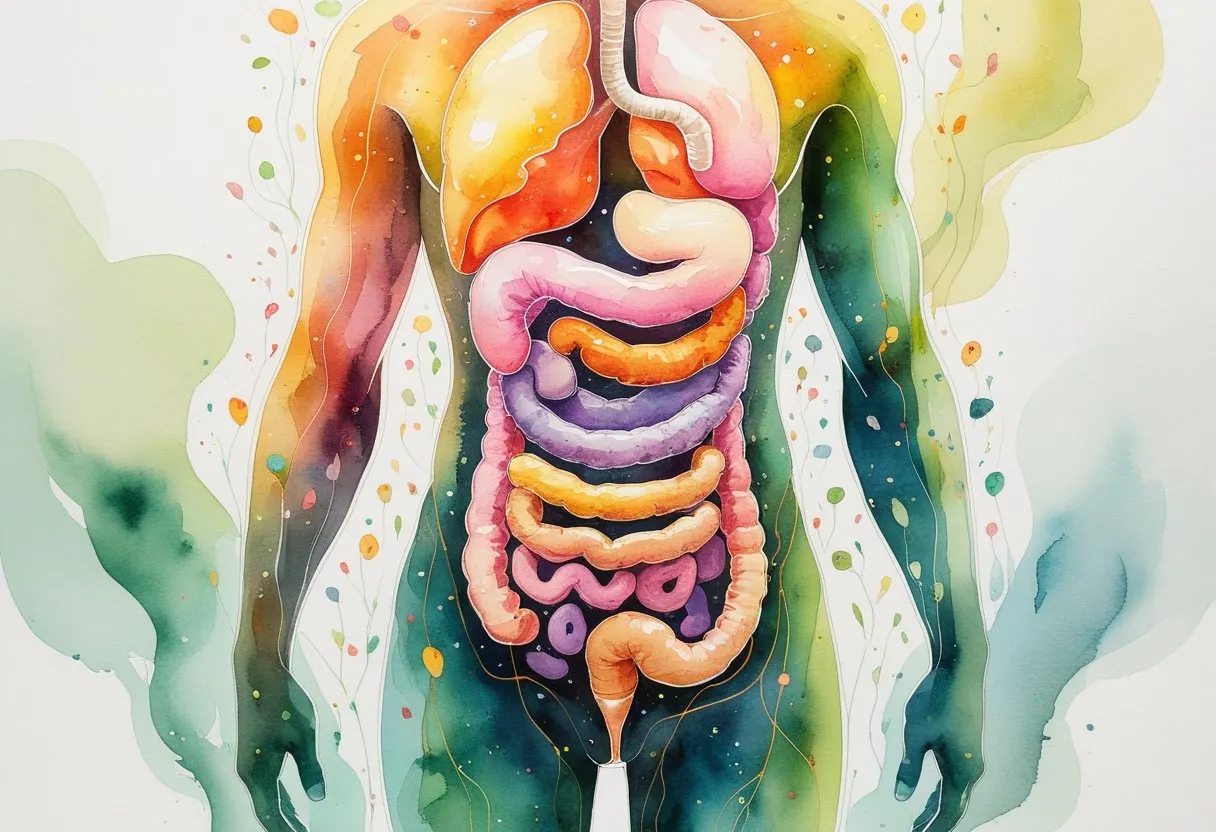
Your gut influences mood, skin condition, and cardiovascular risk through microbial metabolites, immune signaling, and barrier integrity. These pathways use specific molecules—short-chain fatty acids, cytokines, neurotransmitters—that travel locally and systemically to alter how organs function.
Gut-Brain Axis
The gut and brain communicate bidirectionally through nerves, blood-borne molecules, and immune signals. Microbes in your colon produce short-chain fatty acids (like butyrate) and neurotransmitter precursors (serotonin, GABA) that affect neural signaling and the blood–brain barrier. Vagus nerve signaling sends rapid feedback from the gut to brainstem nuclei; inflammation and microbial metabolites modify that signaling and influence anxiety, cognition, and stress responses.
If your microbiome shifts toward lower diversity or more proinflammatory species, you may experience altered mood, sleep disturbances, or worsened cognitive clarity. Clinical studies link certain probiotic strains and fiber-driven increases in SCFAs to measurable reductions in anxiety and improvements in attention, though effects vary by individual and strain.
Practical focus for you: nourish fiber-fermenting microbes, limit chronic antibiotic exposure where possible, and address persistent gut inflammation to support more stable mood and cognitive function.
Gut-Skin Relationship
Your gut shapes skin health through immune modulation, nutrient absorption, and systemic inflammation. A compromised gut barrier lets bacterial products (lipopolysaccharide) and inflammatory cytokines enter circulation and reach the skin, promoting acne, rosacea flares, or eczema exacerbations. Gut microbes also influence how you metabolize vitamins A, D, and B-complex nutrients that skin cells need for barrier repair and collagen production.
Targeting gut-skin links often means reducing intestinal inflammation, correcting dysbiosis, and ensuring adequate micronutrients. Research shows that increasing fiber and certain probiotic strains can reduce systemic markers of inflammation and, in some cases, improve acne or atopic symptoms. For dermatologic improvement, pair dietary and microbiome strategies with topical care and dermatology-guided treatments as needed.
Gut and Cardiovascular Health
Your gut microbiome affects cardiovascular risk through metabolite production, lipid metabolism, and inflammatory tone. Certain microbes convert dietary choline, phosphatidylcholine, and carnitine into trimethylamine (TMA), which the liver oxidizes to TMAO—a compound associated with higher atherosclerosis risk in multiple cohorts.
Short-chain fatty acids produced by fiber fermentation help regulate blood pressure, glucose metabolism, and lipid profiles by interacting with host receptors and immune cells.
To reduce cardiometabolic risk, focus on a diet high in fermentable fibers and low in excessive red-meat–derived substrates that feed TMA-producing bacteria. Managing gut inflammation and promoting microbial diversity can lower systemic inflammation, improve endothelial function, and support healthier lipid and glucose regulation.
Root Causes of Poor Gut Health
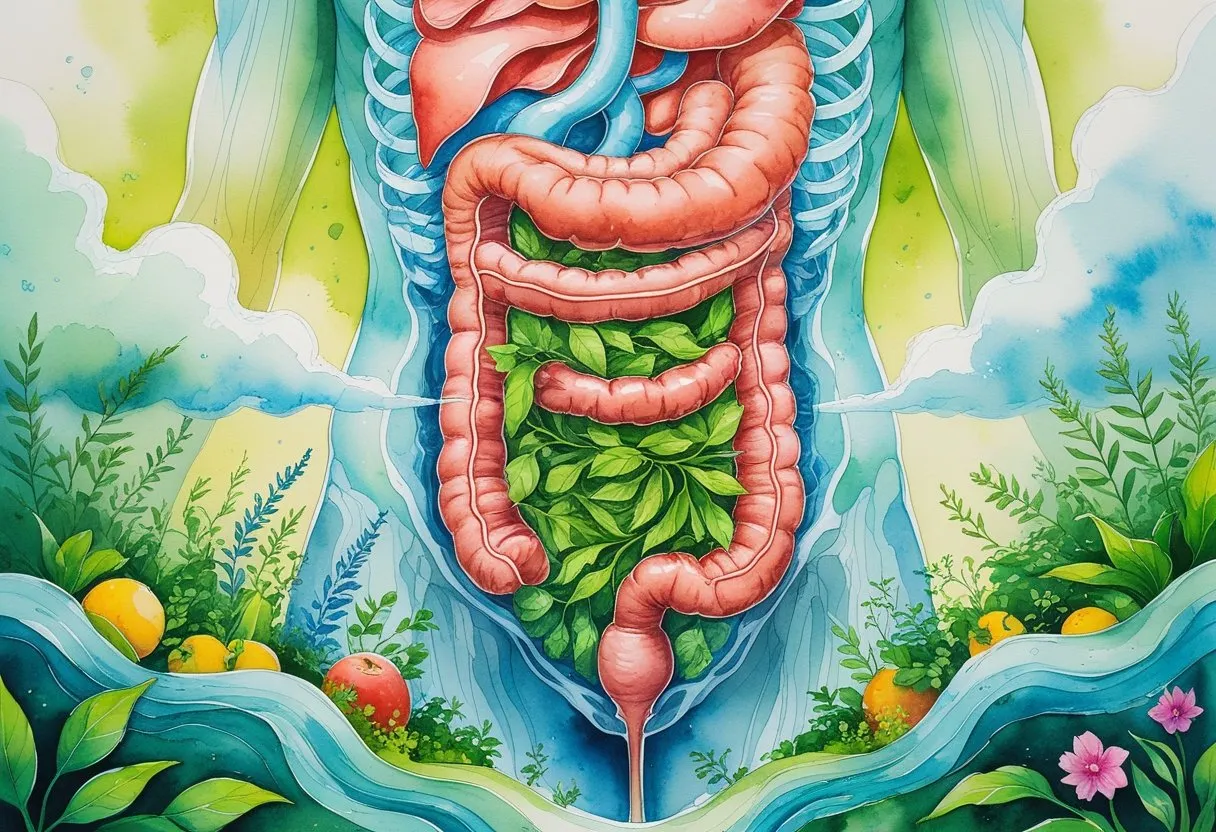
Multiple, specific factors drive gut imbalance: dietary patterns that starve beneficial microbes, medications that disrupt microbial communities, and chronic stress that alters digestion and immune signaling. Each factor interacts with the others and can amplify gut barrier disruption, inflammation, and symptoms like bloating, fatigue, or food sensitivities.
Diet and Lifestyle Factors
What you eat shapes which microbes thrive. Diets high in ultra-processed foods, added sugars, and low in fiber reduce short-chain fatty acid production, which weakens the gut barrier and local immune regulation. Frequent alcohol intake and large, irregular meals also promote inflammation and dysbiosis.
Fiber-rich whole foods, especially diverse vegetables, legumes, nuts, and seeds, feed beneficial bacteria. Fermented foods and resistant starches support microbial variety. Smoking, poor sleep, and low physical activity further degrade microbial diversity and slow motility, which can worsen constipation and bacterial overgrowth.
Practical changes matter: increase soluble and insoluble fiber gradually, limit processed foods and excess alcohol, and prioritize consistent meal times and regular exercise to support a resilient microbiome.
Antibiotics and Medications
Antibiotics target pathogens but also kill beneficial gut bacteria, often causing a rapid drop in microbial diversity. A single broad-spectrum antibiotic course can shift the community for weeks to months, increasing risk for opportunistic pathogens and recurrent gastrointestinal symptoms.
Other medications alter gut function too. Proton pump inhibitors change stomach acidity and allow atypical bacteria to survive. Nonsteroidal anti-inflammatory drugs can increase intestinal permeability. Certain antidepressants and metformin have documented effects on microbiota composition, sometimes beneficial, sometimes disruptive.
When you must take these drugs, discuss strategies with your clinician: narrow-spectrum agents when appropriate, timing of probiotics, and monitoring for persistent symptoms. Post-antibiotic recovery often requires dietary support and, in some cases, targeted probiotic or prebiotic interventions.
Chronic Stress Impact
Chronic psychological stress modifies gut physiology through the brain-gut axis. Stress increases intestinal permeability, alters motility, and shifts mucosal immune responses, making you more susceptible to dysbiosis and inflammation. Acute stress episodes can trigger flare-ups of IBS-like symptoms; chronic stress sustains them.
Stress also changes eating behaviors and sleep, compounding dietary and lifestyle impacts on your microbiome. Cortisol and sympathetic activation alter mucus production and blood flow to the gut, which affects microbial niches and nutrient availability.
Practical approaches include regular stress-reduction practices (breathwork, cognitive techniques, therapy), prioritizing sleep, and integrating gentle movement. These measures lower physiological stress signals and help restore healthier gut function over weeks to months.
Restoring and Maintaining a Healthy Gut
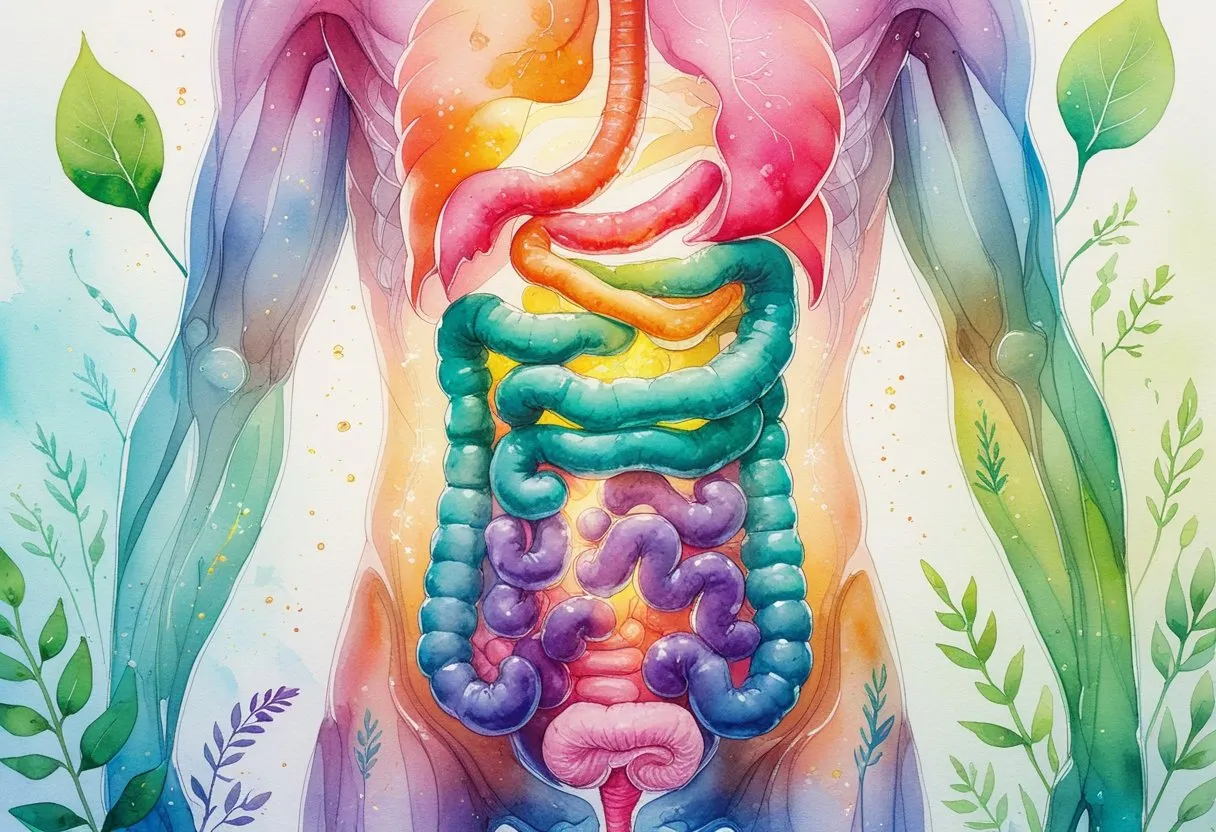
Targeted changes to what you eat, drink, and move through daily will rebalance your microbiome, support the gut barrier, and reduce symptoms like bloating or irregularity. Practical steps include adding live-culture foods, prioritizing specific fibers, and keeping consistent hydration and activity.
Probiotics and Fermented Foods
Probiotics are live microbes that can change gut populations and support digestion. Choose products that list strain names (e.g., Lactobacillus rhamnosus GG, Bifidobacterium longum) and contain at least 1–10 billion CFU per serving if aiming for general gut support.
Fermented foods provide diverse strains plus metabolites that feed your gut. Examples to include regularly: plain yogurt with active cultures, kefir, sauerkraut, kimchi, and miso. Start with small amounts (1–3 tablespoons or ¼–½ cup) if you have gas or bloating and increase over 2–4 weeks.
Use probiotics strategically: short-term during or after antibiotics, or longer-term for chronic mild symptoms. Store-sensitive strains need refrigeration; check expiry and manufacturer guidance. If you have immune suppression or severe illness, consult a clinician before starting live microbes.
Dietary Fiber and Prebiotics
Fiber feeds beneficial bacteria and increases stool bulk. Aim for a mix of soluble and insoluble fibers from whole foods: oats, barley, beans, lentils, apples, carrots, broccoli, nuts, and seeds.
Prebiotics are specific fibers that selectively nourish helpful microbes. Key prebiotics include inulin, fructooligosaccharides (FOS), and resistant starch. Practical choices: chicory root, Jerusalem artichoke, garlic, onions, leeks, bananas, and cooled cooked potatoes or rice.
Increase fiber slowly over 2–4 weeks to avoid cramping and bloating. Target 25–35 grams per day spread across meals. Consider tracking types of fiber and symptoms—this helps identify tolerable sources if you have IBS or FODMAP sensitivities.
Hydration and Physical Activity
Water keeps stool soft and supports mucosal layers lining your gut. Drink consistently across the day; a practical target is 1.5–2.5 liters depending on body size, climate, and activity level. Adjust intake when exercising or in hot conditions.
Regular physical activity changes gut motility and diversity of microbes. Aim for at least 150 minutes per week of moderate aerobic exercise plus two sessions of resistance training. Even daily 20–30 minute brisk walks improve bowel regularity and reduce transit time.
Combine hydration and movement: drink before and after workouts, and avoid large volumes immediately before lying down. If you experience persistent constipation, increase fluids, fiber, and low-impact exercise for two weeks, then seek medical advice if there’s no improvement.
Long-Term Benefits of Optimal Gut Health
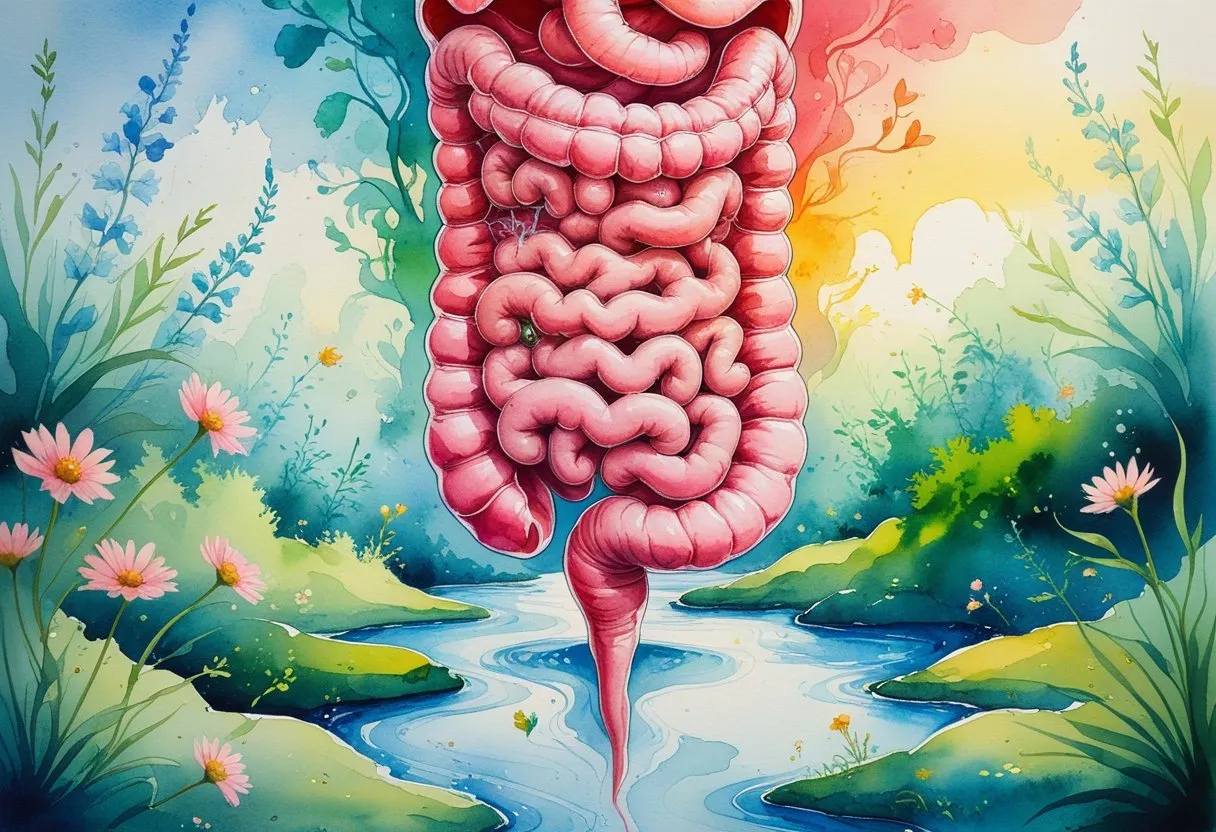
Improving your gut health supports sustained reductions in chronic inflammation and steadier daily energy. These changes come from specific shifts in your microbiome, gut barrier function, and nutrient processing.
Reduced Inflammation
A balanced gut microbiome lowers production of pro-inflammatory molecules like lipopolysaccharide (LPS) and reduces immune overactivation in the gut wall. When beneficial bacteria such as Faecalibacterium and certain Bifidobacteria are more abundant, they produce short-chain fatty acids (SCFAs), especially butyrate, that strengthen the intestinal barrier and signal immune cells to adopt anti-inflammatory behavior.
Practical benefits you can expect:
Fewer systemic inflammatory markers (e.g., lower CRP) over weeks to months.
Reduced frequency or severity of gut-related flares (bloating, pain) in many people.
Lower risk trajectories for inflammation-linked conditions like insulin resistance and some autoimmune processes.
Actions that produce these benefits include increasing dietary fiber, eating fermented foods, and avoiding prolonged antibiotic overuse when not needed.
Enhanced Energy Levels
A healthier gut improves how you extract and regulate energy from food and influences hormones that control appetite and metabolism. Gut microbes ferment fiber into SCFAs that your colon uses for fuel and that modulate hepatic glucose production and lipogenesis, helping maintain more stable blood sugar between meals.
You may notice:
- Fewer mid-afternoon energy crashes and less reliance on stimulants.
- Improved sleep-linked energy via reduced nighttime inflammation and more stable serotonin precursors produced in the gut.
- Better nutrient absorption of B vitamins and iron, which directly support cellular energy production.
To boost energy through gut health, prioritize diverse plant fibers, regular meal timing, adequate iron and B-vitamin intake, and consistent sleep and activity patterns that support a resilient microbiome.
Addressing Gut Health Across Life Stages
Gut function and microbial balance change with development, lifestyle, and aging. Targeted actions—nutrition, sleep, stress management, and appropriate use of antibiotics or supplements—help you support digestion, immunity, and mental well‑being at every stage.
Children and Adolescents
Early life establishes your child's microbial foundation. Breastfeeding when possible supplies beneficial microbes and human milk oligosaccharides that feed gut bacteria; introduce diverse, fiber‑rich solids starting around 6 months to encourage microbial variety.
Limit unnecessary antibiotic courses and request targeted testing if recurrent infections or persistent GI symptoms occur. Overuse of antibiotics can reduce microbial diversity and increase the risk of food sensitivities and allergic conditions.
Support habits that shape lifelong gut health: regular sleep schedules, active play, and a diet that includes whole fruits, vegetables, legumes, and fermented foods (yogurt, kefir) when tolerated. If constipation, severe reflux, or growth concerns arise, work with a pediatrician or pediatric gastroenterologist for diagnostic evaluation and a tailored plan.
Adults
Your microbiome reflects diet, stress, sleep, exercise, medication use, and environment. Prioritize a minimally processed, plant‑forward diet with at least 25–35 g of fiber daily from varied sources (whole grains, legumes, vegetables, nuts) to feed beneficial bacteria and produce short‑chain fatty acids that reduce inflammation.
Manage stress with consistent practices sleep 7–9 hours, use relaxation techniques, and maintain regular activity to protect gut barrier function and immune regulation. Limit frequent or long courses of proton pump inhibitors and unnecessary antibiotics; discuss alternatives with your clinician.
Consider targeted testing only when persistent symptoms (bloating, irregular bowel habits, unexplained fatigue) resist basic interventions. Use probiotics selectively for specific conditions (e.g., antibiotic‑associated diarrhea, certain IBS subtypes) and follow product‑specific evidence rather than general claims.
Older Adults
Aging commonly reduces microbial diversity, slows motility, and alters nutrient absorption. You may need more attention to fiber, hydration, and protein to maintain bowel regularity, muscle mass, and immune resilience. Aim for soluble and insoluble fiber from fruits, vegetables, oats, and legumes while increasing fluid intake alongside fiber changes.
Watch for medication effects (polypharmacy, opioids, anticholinergics) that worsen constipation and disrupt microbiota; review medications regularly with your clinician. Address decreased appetite or dental issues by offering nutrient‑dense, easy‑to‑chew options and small frequent meals.
When frailty, frequent infections, or cognitive changes appear, coordinate care with geriatrics or gastroenterology to evaluate for malabsorption, microbiome shifts, or dysbiosis. Probiotic or prebiotic use may help in targeted situations, but choose formulations with clinical evidence for older populations.
Potential Risks of Ignoring Gut Health
Ignoring gut problems can lead to rising inflammation, shifts in beneficial bacteria, and impaired nutrient absorption. These changes increase your risk for specific chronic illnesses and make your immune system less reliable.
Chronic Diseases
An unaddressed gut imbalance raises systemic inflammation through increased intestinal permeability. When the gut barrier weakens, bacterial components like lipopolysaccharide (LPS) can enter circulation and trigger chronic inflammatory pathways that contribute to conditions such as type 2 diabetes, atherosclerosis, and nonalcoholic fatty liver disease.
You also face altered metabolism from microbiome changes. Certain gut microbes extract more calories from food and influence insulin signaling, which can worsen weight gain and insulin resistance.
Finally, long-term dysbiosis associates with gastrointestinal disorders like irritable bowel syndrome and inflammatory bowel disease. Early symptoms—persistent bloating, changes in stool, and unexplained fatigue—signal that intervention could reduce progression to these chronic states.
Immune Dysregulation
Roughly 70% of your immune cells live in or near the gut, so microbial imbalance directly affects immune responses. A disrupted microbiome skews immune signaling toward either excessive inflammation or inadequate pathogen defense, increasing your susceptibility to infections and autoimmune reactions.
You may experience more frequent respiratory or gastrointestinal infections as protective mucosal immunity declines. At the same time, loss of regulatory immune signals often maintained by short-chain fatty acids produced by fiber-fermenting bacteria can permit autoimmune processes to intensify.
Practical signs include persistent low-grade inflammation, slow recovery from illness, and new allergic or autoimmune symptoms. Addressing diet, fiber intake, and targeted probiotic or medical guidance can restore immune balance and reduce these risks.
Emerging Research and Future Directions
You will see research shifting from simple descriptions of microbial species toward functional, metabolic networks that explain how microbes influence your immunity, mood, and metabolism. Studies increasingly measure microbial metabolites, signaling molecules, and host responses rather than only taxonomy.
Personalization will drive the next wave of interventions. Expect tools that combine your diet, genetics, lifestyle, and microbiome data to recommend targeted prebiotics, probiotics, and food-based strategies tailored to your ecosystem.
Technology is expanding what you can test and act on. Digital phenotyping, AI-powered nutrition platforms, and more accessible sequencing make longitudinal tracking of your gut more feasible, enabling dynamic adjustments rather than one-time fixes.
Clinical trials are becoming more rigorous and disease-specific. Look for larger, placebo-controlled studies that test microbiome-based therapies for metabolic disease, mental health, and immune-mediated conditions rather than relying on small, heterogeneous cohorts.
Key research priorities you should watch:
- Mechanistic studies linking specific microbial metabolites to host pathways.
- Standardized methods for sampling and reporting to improve reproducibility.
- Long-term interventions assessing sustained benefits and safety.
You should also anticipate innovation beyond bacteria: research on the oral-gut axis, fungi, viruses, and host-microbe interactions will broaden therapeutic targets. These developments will give you clearer, evidence-based options to support whole-body wellness through gut-focused approaches.
Related Articles

This article breaks down what drives burnout, how to spot evidence-based warning signs, and which practical steps provide fast relief and lasting recovery.

You can shape a family life that uses technology without letting it control your time, attention, or health. Follow along to create rules and rituals that fit your household and actually stick.

Start by setting clear, age-appropriate habits and routines that balance screen use with sleep, movement, and shared time. Practical rules make digital life less stressful and more intentional.
Copyright 2021 by HealthyLifeForward. All rights reserved.
This site is not a part of the Youtube website or Youtube Inc. Additionally, This site is NOT endorsed by Youtube in any way. YOUTUBE is a trademark of YOUTUBE, Inc.