
Burnout Is the New Health Crisis: Tips and How to Restore Balance Using Science-Backed Strategies
Burnout shows up as constant exhaustion, cynicism about work, and shrinking ability to get things done and it’s quietly becoming a major health crisis that affects your body, mood, and long-term wellbeing. You can stop the slide by using targeted, science-backed strategies that relieve immediate symptoms and rebuild sustainable energy, focus, and balance.
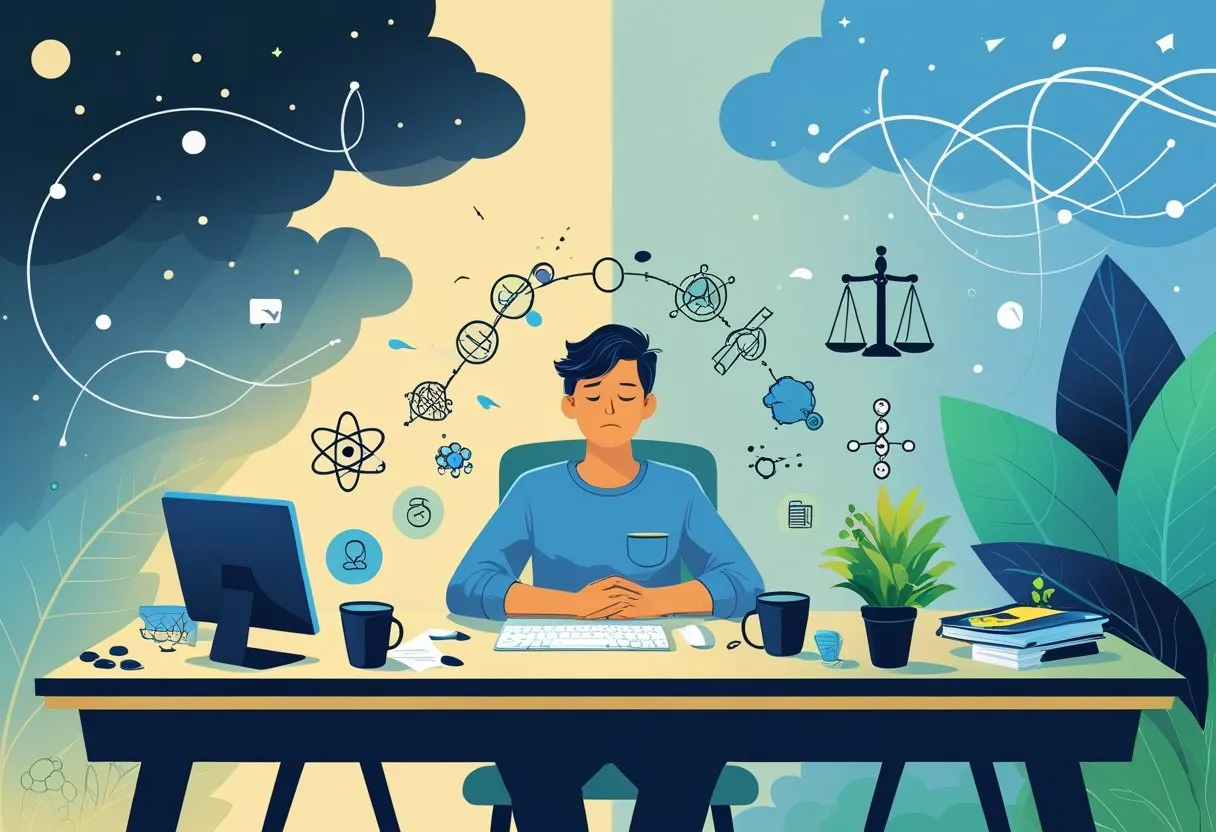
This article breaks down what drives burnout, how to spot evidence-based warning signs, and which practical steps provide fast relief and lasting recovery. Expect clear, research-informed actions you can apply at work and at home to protect your health and prevent burnout from returning.
Understanding Burnout: The Growing Health Crisis
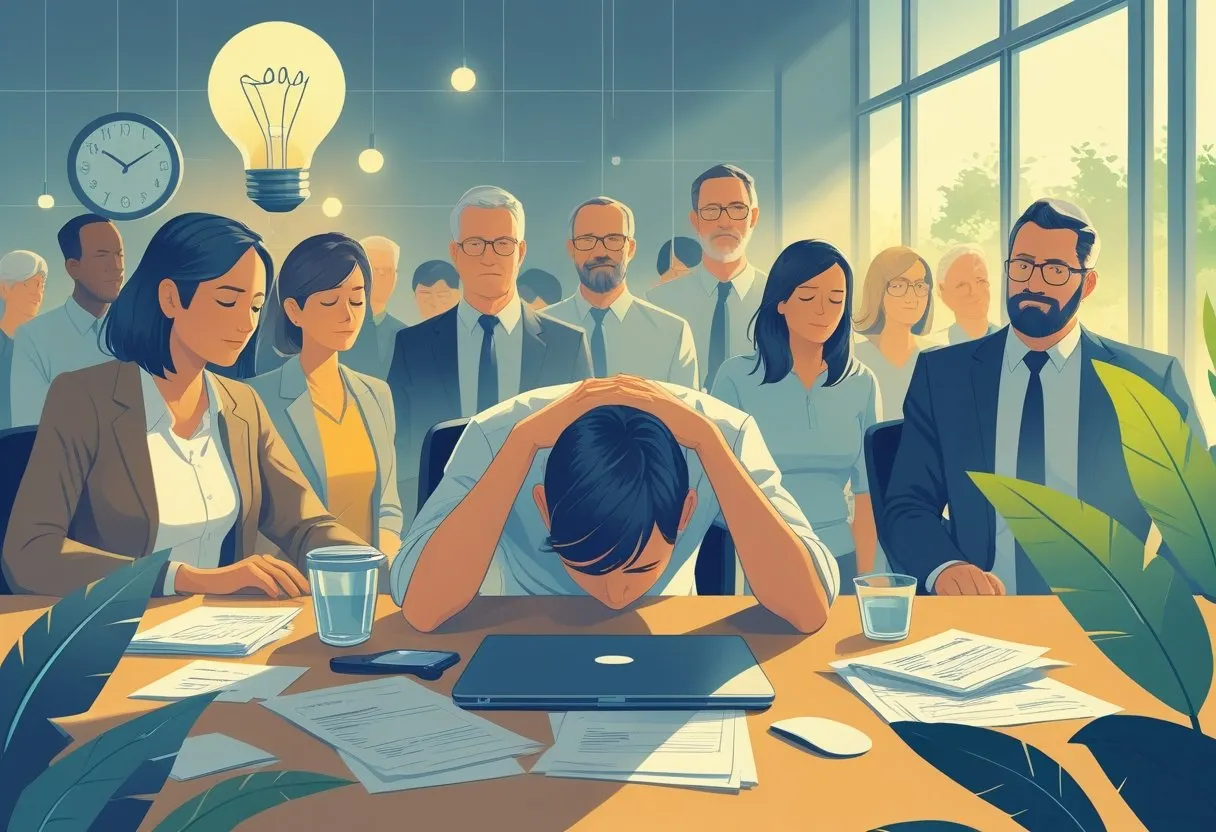
Burnout now shows up as prolonged exhaustion, reduced effectiveness, and detachment that affect work and life. You will read concise, evidence-aligned details about what burnout is, how common it has become, and why it matters for your physical and mental health.
Defining Burnout in Modern Society
Burnout is an occupational phenomenon tied to chronic workplace stress that has not been successfully managed. You experience three core features: emotional exhaustion, cynicism or detachment from work, and a sense of reduced professional efficacy.
These features can appear in any job but are especially common where demands consistently exceed resources, such as healthcare, social services, education, and high-pressure corporate roles.
Factors that drive modern burnout include excessive workload, unclear or conflicting job expectations, lack of control, and poor organizational support. Technology and always-on communication blur work-life boundaries, increasing cumulative stress.
Individual vulnerabilities such as perfectionism, inadequate recovery, and limited social support interact with systemic drivers, so addressing burnout requires both personal strategies and workplace change.
Recent Statistics and Trends
Rates of burnout and related mental health problems have risen across sectors in the past decade. Large surveys and health reports show increased exhaustion and intent to leave, especially among healthcare workers and early-career employees. For example, dozens of studies and public health updates report higher burnout prevalence since the COVID-19 pandemic, with many healthcare staff reporting clinically significant stress, anxiety, or depressive symptoms.
Trends to watch: higher hospitalization and mental-health service use among burned-out employees, rising turnover and reduced productivity, and disproportionate effects on women and racialized workers in certain fields. Employers and public-health agencies increasingly classify burnout as a systems-level risk, prompting interventions aimed at workload, staffing, and organizational culture rather than only individual coping skills.
Impacts on Overall Health
Burnout increases risk for mental-health conditions such as depression, anxiety, and substance misuse. You may also face cognitive problems, reduced concentration, memory lapses, and impaired decision-making,g affecting safety-sensitive jobs. Physical health consequences include disrupted sleep, elevated cardiovascular risk, immune dysfunction, and higher rates of chronic illness. These outcomes stem from prolonged stress-response activation and poor recovery.
Burnout also affects social and occupational functioning: higher absenteeism, presenteeism, and damaged professional relationships. Addressing burnout, therefore, protects both your immediate well-being and long-term health, and it reduces downstream costs to healthcare systems and employers.
Core Causes of Burnout
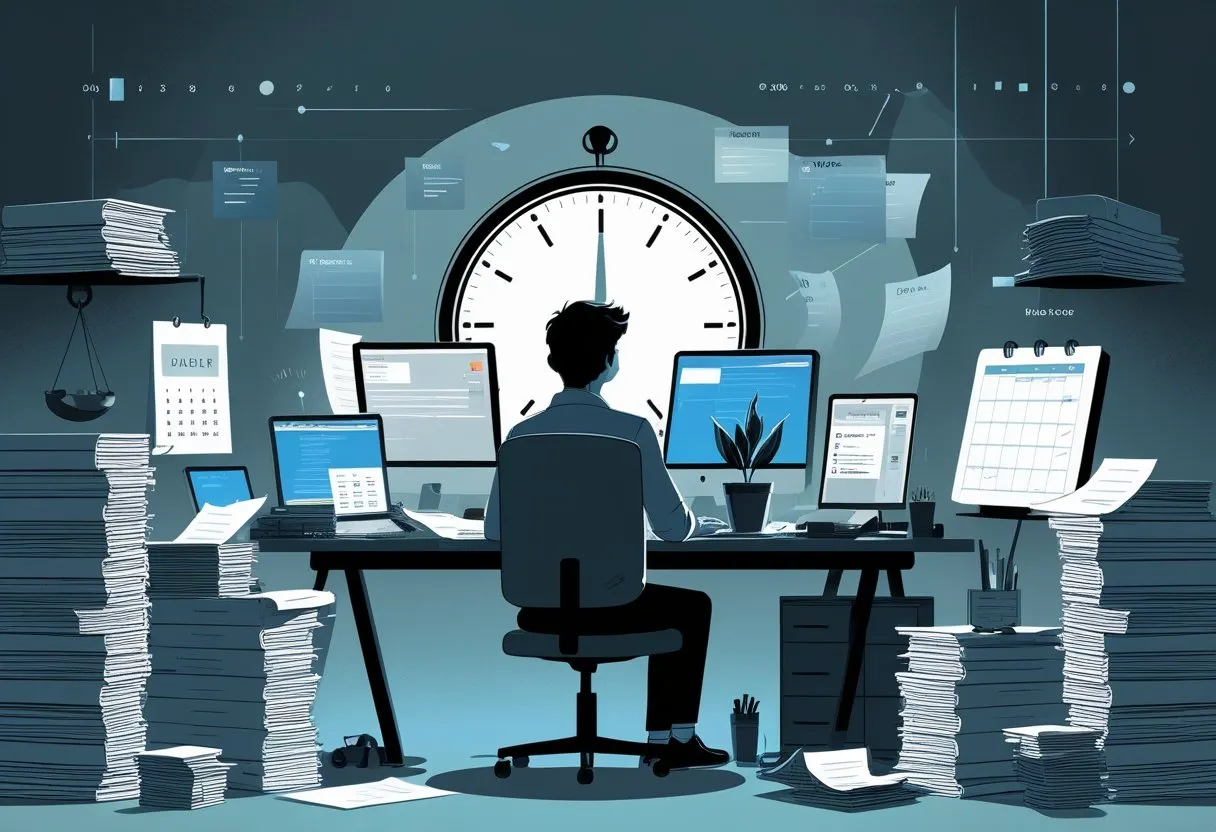
You will often see the same underlying drivers: relentless job demands, constant digital connectivity, and pressures from personal life and social roles. Each creates specific pathways to exhaustion, reduced performance, and cynicism.
Workplace Stress and Demands
High workload, unclear expectations, and lack of control combine to drive burnout at work. When you face chronic deadlines, frequent interruptions, or responsibilities that far exceed your role, your stress-response systems stay activated.
Organizational factors matter: insufficient staffing, poor feedback, and misaligned incentives increase emotional exhaustion. You also risk depersonalization when you must perform high-empathy tasks without recovery time, common in healthcare, education, and social services.
Actionable signals to watch: persistent fatigue despite rest, declining quality of work, and resentment toward colleagues or clients. These signs often mean structural changes, redistributing tasks, clearer job design, or managerial support are needed, not just individual coping.
Digital Overload and Connectivity
Constant email, messaging apps, and back-to-back virtual meetings fragment attention and reduce your capacity for deep work. Each context switch costs cognitive energy; frequent notifications prevent the restorative focus cycles your brain needs.
Availability expectations worsen this effect. If your role implicitly requires immediate responses outside work hours, you face sleep disruption and poor boundary enforcement. That sustained arousal undermines emotional regulation and increases irritability.
Practical red flags include checking devices first thing in the morning, difficulty finishing tasks without interruption, and blurred work/home time. Implementing defined offline periods, meeting caps, and notification controls can interrupt the overload loop.
Personal and Social Pressures
Financial strain, caregiving responsibilities, and relationship conflict create chronic stress that compounds workplace and digital demands. You carry emotional labor managing others' needs and feelings on top of your formal duties, which accelerates depletion.
Cultural expectations also shape burnout risk. If you belong to a group that faces discrimination or must overperform to be heard, you expend extra energy navigating microaggressions and proving competence. That cumulative burden increases vulnerability to exhaustion and depressive symptoms.
Watch for persistent guilt, social withdrawal, or inability to enjoy activities you once liked. Addressing these pressures often requires practical supports: shared caregiving arrangements, financial planning, counseling, or community resources that reduce everyday strain.
Science-Backed Warning Signs and Symptoms

You’ll recognize burnout through specific physical, emotional, and behavioral changes that build over weeks to months. Early detection relies on noting patterns of persisting fatigue, growing cynicism, or shifts in work habits that don’t improve after a short rest.
Physical Symptoms of Burnout
Watch for persistent low energy and unrefreshing sleep. You may sleep longer but still feel exhausted, or you might develop insomnia that disrupts concentration and decision-making.
Notice frequent headaches, muscle tension (especially neck and shoulders), and gastrointestinal problems like stomach pain or changes in bowel habits. These often increase with ongoing stress and don’t resolve after a weekend off.
Pay attention to immune changes: you may catch colds more often or recover slowly. Appetite shifts and unexplained weight change are common physical signals linked to chronic stress hormones.
Psychological and Emotional Indicators
You may feel emotionally drained, numb, or detached from work and relationships. Enjoyment and motivation for tasks you once liked often decline noticeably.
Look for increased irritability, anxiety, or feelings of hopelessness. Your self-efficacy drops: you doubt your competence and feel less capable of meeting demands.
You might experience reduced personal accomplishment, feeling that your work lacks meaning or impact. Cognitive symptoms such as poor concentration, forgetfulness, and reduced creativity also signal psychological strain.
Behavioral Changes to Watch For
Your work habits may shift: you could start procrastinating more, avoid responsibilities, or overwork to compensate. Both withdrawal and overcommitment can appear as attempts to manage stress.
Social patterns often change. You might isolate from colleagues, friends, or family, or you might rely on maladaptive coping, such as excessive alcohol, comfort eating, or compulsive screen time.
Performance declines can show up as missed deadlines, increased errors, or difficulty following through on tasks. These behavioral changes tend to persist and worsen without targeted recovery strategies.
Strategies for Immediate Relief
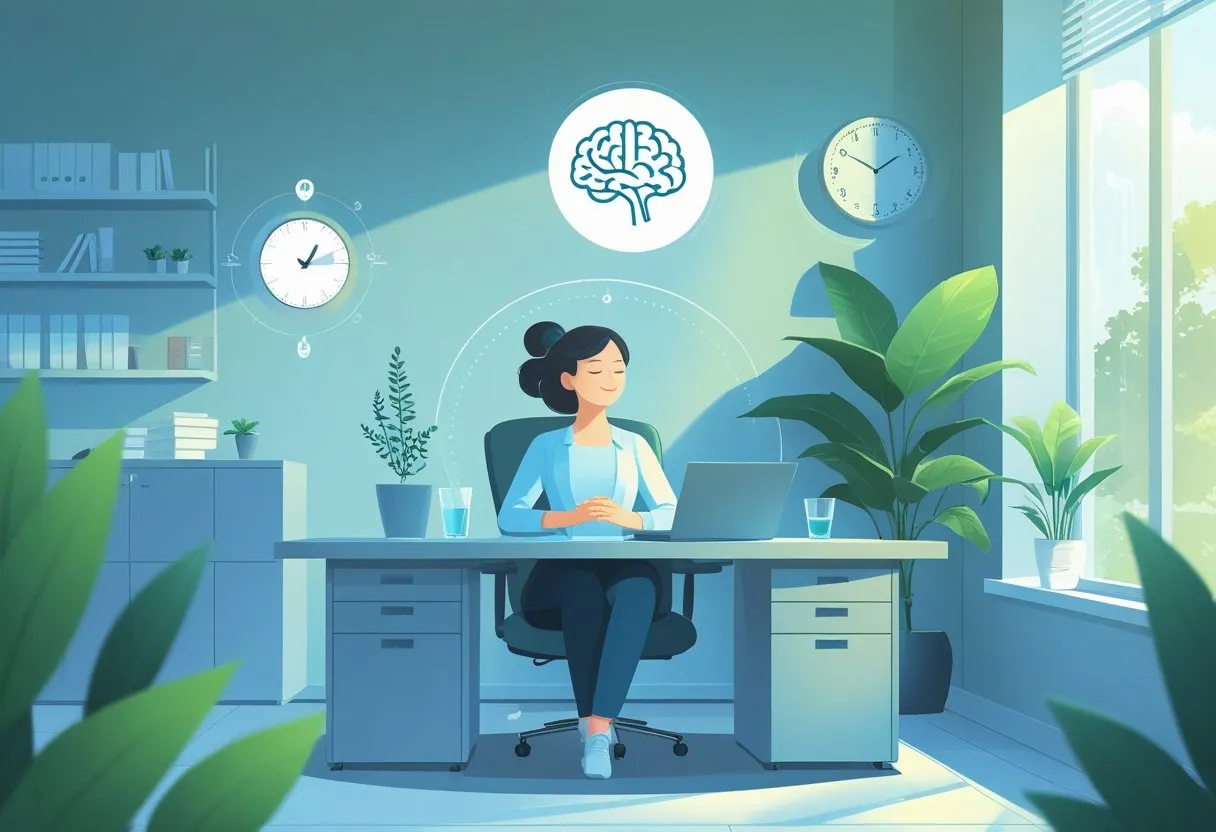
You can reduce immediate stress by changing how you schedule work, restore sleep patterns, and use short focused breathing practices. These actions lower physiological arousal quickly and create space to make longer-term changes.
Setting Boundaries
Tell specific people what you will and won’t do. For example, set an end-of-day time (e.g., 6:30 PM) when you stop answering work messages and disable notifications for work apps after that time. Use calendar blocks labeled “Deep Work No Meetings” or “Family Time Do Not Disturb” so others see your limits.
Practice a short script for boundary conversations: state the need, offer an alternative, and confirm next steps. (“I can’t take new tasks after 3 PM. I’ll review new requests tomorrow at 9 AM.”) Rehearse this once so you deliver it calmly.
Enforce boundaries with small, consistent rituals: shut your laptop, move work-related tabs into a folder, and create a five-minute transition routine to mark the shift. Consistency trains coworkers and lowers recurring cognitive load.
Prioritizing Rest and Sleep
Aim for consistent sleep timing: wake and sleep within a 30–60 minute window daily, including weekends. That stabilizes your circadian rhythm and improves daytime alertness quickly.
Create a 30–60 minute pre-sleep routine that reduces blue light and mental activation. Examples: dim lights, stop screens 60 minutes before bed, journal three quick items one success, one worry to drop, one task for tomorrow. Keep the room cool (about 18–20°C / 64–68°F) and dark.
If sleep is short, add controlled naps: limit to 20 minutes before 3 PM to avoid disrupting nighttime sleep. Track sleep for a week to identify patterns; small improvements like consistent wake time often deliver the fastest gains.
Practicing Mindful Breathing
Use box breathing to reset your nervous system: inhale 4 seconds, hold 4, exhale 4, hold 4. Repeat 4–6 cycles and notice heart rate and shoulders relax. Do this sitting upright with feet on the floor.
Try the 4-7-8 method when anxiety spikes: inhale 4, hold 7, exhale 8. It increases parasympathetic activity and helps you regain composure within minutes. Practice twice daily for skill acquisition.
Keep a short breathing cheat sheet where you work. When you feel tension, pause for one cycle, then resume tasks. Short, deliberate breaths provide measurable relief without disrupting your day.
Restoring Balance with Evidence-Based Habits

Focus on concrete, repeatable actions that change stress physiology and daily routines: move your body deliberately, lean on predictable social supports, and limit digital overload with specific rules you can sustain.
Incorporating Regular Physical Activity
Aim for 150 minutes of moderate aerobic exercise per week or 75 minutes of vigorous activity, broken into sessions you can maintain—30 minutes five days a week or 3×25-minute high-intensity workouts. Prioritize consistency over intensity when you’re recovering from burnout; shorter, daily sessions stabilize sleep, lower resting cortisol, and improve mood more reliably than sporadic long workouts.
Combine aerobic work with two strength sessions weekly to preserve muscle and metabolic health. Use concrete scheduling: block it in your calendar, treat it like a meeting, and track completion. If motivation lags, choose low-barrier options, such as walking meetings, cycling commutes, or bodyweight circuits at home to keep the habit alive.
Utilizing Social Support Systems
Identify one to three people you can contact when stress spikes: a colleague for workload negotiation, a friend for emotional venting, and a family member for practical help. Make brief plans in advance weekly check-ins, a 20-minute phone debrief after tough days, or shared activity like a Sunday walk to convert support from passive goodwill into dependable resources.
Set clear boundaries about what you need: advice, listening, or tangible help. If workplace support is lacking, seek peer groups or professional supervision specific to your field. Use structured formats (timed check-ins, rotating facilitation) to keep conversations focused and reduce emotional toll on supporters.
Establishing Digital Detox Routines
Create precise limits: no screens 60 minutes before bed, batch email to two or three 30–45 minute blocks daily, and disable nonessential notifications. Implement friction remove apps from your home screen, use grayscale or app timers to reduce automatic checks that fragment attention and raise stress.
Designate tech-free zones and times (e.g., bedrooms, family meals, first hour after waking). Replace digital habits with micro-routines that fulfill the same need: a 10-minute walk instead of scrolling after lunch, or a short journaling practice instead of doomscrolling before bed. Monitor progress weekly and adjust limits so they remain realistic and sustainable.
Long-Term Prevention: Sustainable Lifestyle Changes

You can protect your energy and mental health by changing daily habits, reshaping work patterns, and tracking measurable progress. Practical steps below focus on work structure, resilient thinking, and objective monitoring.
Redesigning Your Work-Life Integration
Start by mapping a realistic weekly schedule that assigns blocks for focused work, recovery, and nonwork activities. Use a simple calendar rule: no meetings during two daily "deep work" blocks and one daily 30–45 minute break for movement or relaxation. Negotiate boundaries with colleagues and managers using concrete proposals, for example, set "no-email" hours (7–9 p.m.) and define response-time expectations (reply within 24 hours for non-urgent requests).
Automate or delegate routine tasks. Identify three recurring tasks you can automate or hand off in the next month and track the time saved. Use a visible signal for availability (status light, calendar color) and protect at least one full day per week for recovery or nonwork pursuits.
Building Resilience Through Positive Psychology
Train psychological resilience with targeted, evidence-based practices you can repeat daily. Start a two-minute morning ritual of noting one specific achievement and one next-step action; this builds agency and reduces rumination.
Practice "micro-gratitude" by naming one concrete, recent helpful interaction each evening. This shifts attention toward social resources and buffers stress. Develop adaptive thinking by reframing problems into controllable steps. When overwhelmed, write three small actions you can take in the next 24 hours and commit to one.
Invest in regular social contact schedule one 30–60 minute connection per week with a friend or mentor focused on mutual support, not problem-solving alone.
Monitoring Stress and Progress Over Time
Choose measurable indicators and track them weekly to spot trends before crises develop. Combine objective metrics (hours slept, work hours, number of deep-work blocks completed) with subjective ratings (daily stress 0–10, energy 0–10).
Use a simple tracking method: one spreadsheet or an app with daily entries and weekly automated charts. Review the chart every Sunday and set one behavioral adjustment for the coming week if stress rises by more than two points.
Conduct a monthly "heat check": rate workload, recovery, and social support on a 1–5 scale and compare month-to-month. If two domains drop by one point or more, escalate changes reduce commitments, increase recovery blocks, or seek professional support.
Keep short logs of interventions you try and their effects for three months so you can identify what reliably improves your baseline.
When to Seek Professional Help
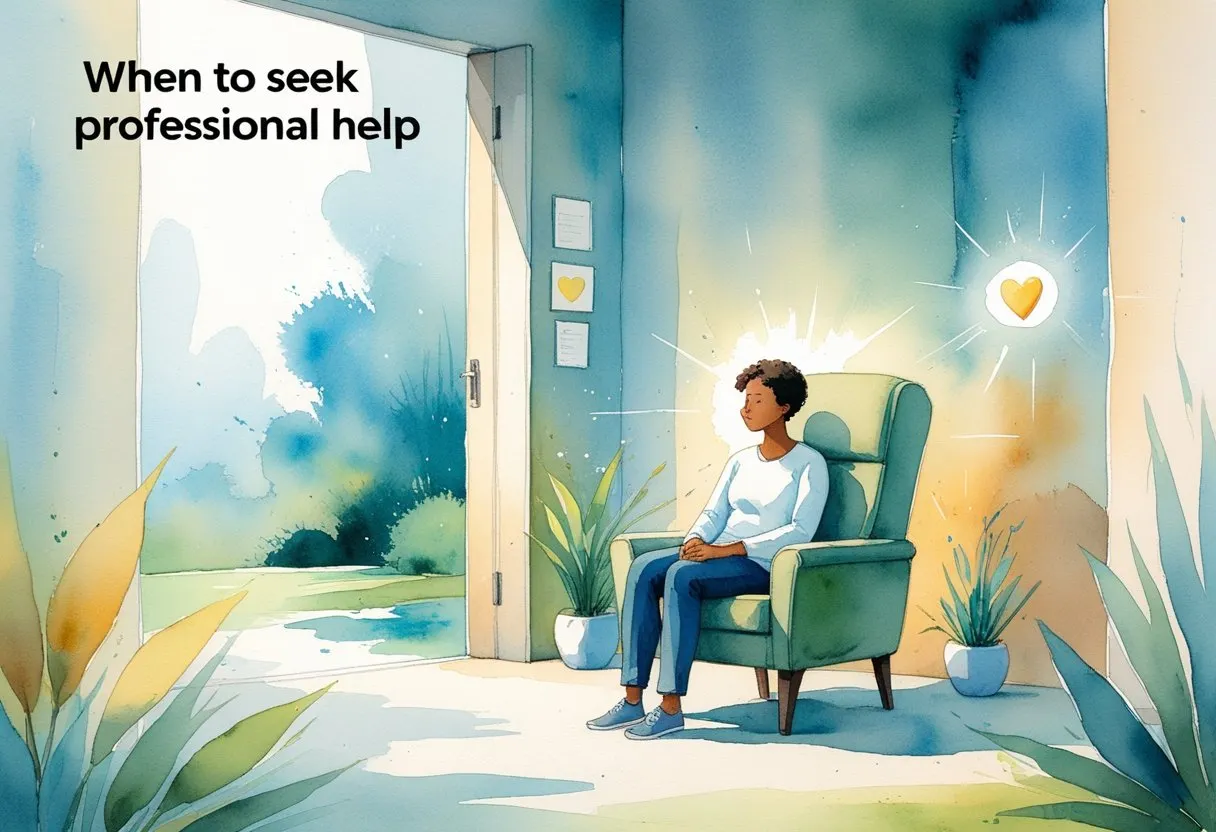
If your energy, sleep, mood, or work performance have declined for weeks despite self-care, or if you experience thoughts of harming yourself, get professional assessment and treatment. Professional care ranges from brief counseling to medication and workplace interventions tailored to your situation.
Recognizing the Need for Intervention
You should seek help if symptoms persist for more than two to four weeks and interfere with daily functioning. Warning signs include persistent exhaustion despite rest, reduced effectiveness at work, chronic cynicism or detachment from tasks, and marked changes in appetite or sleep.
Also watch for cognitive changes: trouble concentrating, memory gaps, or slowed thinking that affect decision-making. If you have anxiety, panic attacks, severe insomnia, or thoughts of self-harm, contact a mental health professional or emergency services immediately.
If workplace causes drive the problem, bring documentation of hours, task load, and communications to your appointment. That helps clinicians assess whether organizational change, psychotherapy, medication, or both are the best next steps.
Available Therapeutic Approaches
Cognitive-behavioral therapy (CBT) and brief, solution-focused therapies reliably reduce burnout-related symptoms by targeting unhelpful thinking and behavioral patterns. Therapists also use stress-management training, problem-solving therapy, and techniques to rebuild routines sleep, movement, and social connection.
When symptoms include major depression or severe anxiety, clinicians may recommend antidepressant or anxiolytic medications alongside therapy. Occupational health or vocational rehab can arrange workload adjustments and gradual return-to-work plans.
Consider group therapy or peer support for practical strategies and to reduce isolation. Ask providers about teletherapy options, session frequency, expected duration, measurement of progress, and coordination with your primary care or employer when appropriate.
Conclusion: Taking Action Toward Lasting Well-Being
You can respond to burnout with both immediate steps and long-term changes. Start by identifying one small, concrete habit to change this week for example, a 10-minute break after each focused work block.
Combine individual practices with requests for organizational change. Ask for schedule adjustments, clearer role expectations, or protected time for recovery; systems-level shifts reduce the burden on you alone.
Use evidence-based tools regularly: sleep hygiene, brief mindfulness or breathing exercises, and structured boundary setting. Track one measurable signal of improvement, such as sleep hours or uninterrupted focus time, to see progress.
Prioritize social connection and professional support. Peer groups, mentoring, or counseling reduce isolation and improve coping without requiring you to “tough it out” alone.
Create a simple action plan you can revisit weekly. Example: Goal:
- Protect 30 minutes daily for restorative activity
- Task: Block calendar, notify team, commit to non-work activity
- Measure: Hours protected per week
Sustain change by aligning actions with values and realistic constraints. Small, consistent adjustments add up over months; you do not need a perfect routine to gain meaningful recovery.
Act now: pick one change, communicate it clearly, and measure the effect. Reassess and iterate that steady practice builds durable well-being.
Related Articles

This piece will show how to spot red flags, evaluate the quality of studies and sources, and weigh benefits against cost and safety so you can choose what actually helps your health.

You can shape a family life that uses technology without letting it control your time, attention, or health. Follow along to create rules and rituals that fit your household and actually stick.

This article explains how the gut connects to other systems, what commonly disrupts gut balance, and practical steps you can take to restore and maintain gut health through diet, lifestyle.
Copyright 2021 by HealthyLifeForward. All rights reserved.
This site is not a part of the Youtube website or Youtube Inc. Additionally, This site is NOT endorsed by Youtube in any way. YOUTUBE is a trademark of YOUTUBE, Inc.