
The Truth About Wellness Trends: Tips and How to Tell What’s Backed by Science and What Isn’t
You juggle endless wellness claims every day—supplements promising miracle results, diets launched by influencers, and apps selling personalized fixes. Trust evidence over buzz: focus on trends supported by reproducible research, clear mechanisms, and transparency about risks and limits.

This piece will show how to spot red flags, evaluate the quality of studies and sources, and weigh benefits against cost and safety so you can choose what actually helps your health. Expect practical tips for decoding marketing, short checks to vet new fads, and clear explanations of common trends so you waste less time and money.
Understanding Wellness Trends

Wellness trends show up as new products, tech, or routines that promise measurable health benefits. You’ll learn how trends arise, how to judge their evidence, and which categories capture most attention and spending.
Definition of Wellness Trends
Wellness trends are popular behaviors, products, or services that claim to improve physical, mental, or emotional health. They range from single supplements to large lifestyle movements and often mix scientific findings with marketing language.
You should focus on what a trend proposes to change (sleep, mood, longevity), the mechanism it claims (hormone balance, microbiome shifts, circadian alignment), and the level of evidence behind those claims.
Key markers to evaluate a trend:
Claim specificity — Does it state a measurable outcome (e.g., "improves REM sleep by X minutes") Biological plausibility — Is there a clear mechanism consistent with established physiology?
Evidence quality — Are there randomized trials, meta-analyses, or only anecdotes and marketing?
Keep a practical mindset: a trend can be low-risk and unproven, high-risk with small benefit, or well-supported and worth adopting.
Growth of Wellness Culture
Wellness culture expanded as consumers gained access to more health information, direct-to-consumer products, and wearable technology. You see trends accelerate when investors fund startups and media amplify personal stories.
Commercial incentives often shape which ideas gain visibility; profitable, repeatable behaviors and products tend to spread faster than inexpensive habits.
Demographics matter: older adults seek longevity and chronic-disease prevention, while younger adults chase optimization, biohacking, and mental health tools. Policy and healthcare integration influence durability. Trends backed by clinical guidelines and reimbursable treatments tend to persist longer than viral fads.
Common Categories of Trends
Most trends fall into a few repeating categories that you can evaluate similarly across cases:
Nutrition and supplements: diets (intermittent fasting), single-ingredient fads (adaptogens), and targeted supplements (probiotics).
Technology and devices: wearables, sleep trackers, home DNA/microbiome tests, and app-guided therapies.
Behavioral and mental health: mindfulness, breathwork, nervous-system regulation techniques, and productivity/optimization routines.
Longevity and biotech: senolytics, gene therapies, and high-tech diagnostics aimed at extending lifespan.
Use this checklist when you encounter any category:
Mechanism — Is the biological pathway plausible?
Evidence tier — Anecdote → observational → randomized trial → guideline.
Risk vs. reward — Side effects, cost, and opportunity cost compared to established options.
This structure helps you separate solid options (strength training, circadian-based sleep strategies, probiotic strains with proven effects) from marketing-led fads (miracle detoxes, unsupported “alkaline” diets).
Why Science Matters in Wellness

Science helps you separate practices that actually improve health from those that only sound good. It shows which interventions change measurable outcomes, reveals risks and trade-offs, and explains how to adapt findings to your age, medical history, and goals.
The Role of Scientific Evidence
Science tests whether a wellness practice produces reliable, repeatable benefits for people like you. Randomized controlled trials (RCTs) and large cohort studies measure outcomes, for example, sleep quality changes from cognitive-behavioral therapy for insomnia, or blood-pressure reductions from regular aerobic exercise. Look for studies reporting effect sizes, confidence intervals, and clinically meaningful thresholds rather than just “statistically significant” claims.
You should also consider population and context. A supplement that helped middle-aged men in one study might not apply to older adults or women. Pay attention to dosage, duration, and co-interventions documented in the research before you adopt a practice.
Understanding Peer-Reviewed Research
Peer review reduces obvious errors and bias by having independent experts evaluate study design and interpretation. You can use simple checks: confirm the paper appears in a reputable journal, note sample size and control groups, and see whether authors disclose conflicts of interest. Preprints can be useful early signals, but they lack formal peer review and need cautious interpretation.
Read abstracts for main outcomes, then scan methods and limitations. Key red flags include lack of blinding, tiny samples, short follow-up, and industry funding without independent replication. When multiple high-quality studies converge, recommendations carry more weight.
Myths vs. Evidence-Based Practices
Wellness myths often start with an appealing story, a single small study, or celebrity endorsement but they rarely survive rigorous testing. Examples include detox products with no measurable toxin removal, or blanket claims that one diet suits everyone. Evidence-based practices show consistent benefits across multiple studies and specify who benefits, how much, and what harms may occur.
Use a short checklist when evaluating claims:
- Is there more than one good-quality study?
- Do studies include people like you?
- Are outcomes objective and clinically relevant?
- Has an independent group replicated the finding?
If the answer is “no” to most items, treat the trend as unproven rather than effective.
How to Evaluate Wellness Claims

Start by looking for practical signs of credibility, clear evidence types, and whether the claim fits your health needs and risks. Focus on tangible proof, who’s making the claim, and whether studies use reliable methods.
Identifying Red Flags
Watch for absolute promises like “cures” or “guaranteed results.” These often signal marketing or anecdote-driven claims rather than reproducible science.
Be skeptical of before-and-after photos, celebrity endorsements, or products sold through high-pressure tactics (limited-time offers, subscription auto-renewals). Those are persuasive tools, not evidence.
Check for vague language: phrases such as “detoxifies your cells” or “balances your hormones” without measurable outcomes usually lack operational definitions. If a product claims rapid, broad benefits across many conditions, treat it as suspect.
Finally, look for safety warnings or side-effect admissions. Absence of risk language on anything that affects metabolism, hormones, or medication interactions is itself a red flag.
Checking Sources and Credentials
Start with the source: trace claims back to a peer-reviewed study, government health agency, or established medical center. Avoid relying on press releases, influencer posts, or company blogs as primary evidence.
Evaluate who funded the research or published the claim. Industry-funded studies aren't automatically invalid, but you should expect higher scrutiny and independent replication.
Check author credentials: medical degrees, clinical specialties, and institutional affiliations matter. Look for disclosures of conflicts of interest and whether the person is a practicing clinician or a marketer.
Use reputable databases PubMed, Cochrane Library, or government sites to verify citations. If a source is behind a paywall or cites unpublished “clinical data,” request more detail before trusting the claim.
Analyzing Clinical Studies
Identify the study type first: randomized controlled trials (RCTs) provide stronger evidence than observational studies, which can only show associations. Case reports and small pilot studies suggest hypotheses, not proof.
Examine sample size and population. Results from 20 healthy volunteers do not generalize to older adults with chronic conditions. Look for demographics that match your situation.
Check endpoints and duration. Surrogate markers (like an enzyme level) are less convincing than meaningful outcomes (reduced heart attacks, symptom improvement). Short trials may miss long-term harms or benefits.
Assess statistical significance and effect size. A tiny but “statistically significant” change may be clinically irrelevant. Also, look for replication: single positive trials require confirmation by independent groups.
Finally, read the limitations section and search for systematic reviews or meta-analyses. Absence of reported harms, unexplained dropouts, or selectively reported outcomes often indicates bias.
Popular Wellness Trends Examined

You’ll find some trends that are well-supported and others that rely on marketing, not evidence. Focus on measurable outcomes, safety, and whether benefits match the claims.
Diet and Detox Programs
Detox diets and cleanse plans promise rapid toxin removal and weight loss, but most lack biological plausibility. Your liver and kidneys already clear most toxins; no clinical trial shows short-term juice cleanses remove pollutants or improve long-term health.
If you try a detox, watch for calorie restriction that causes muscle loss, nutrient deficiencies, or electrolyte imbalances. Pregnant people, those with diabetes, and people on medications face higher risks.
Evidence-backed dietary changes emphasize whole foods, consistent protein, fiber, and controlled added sugar. Consider medically supervised intermittent fasting for specific metabolic goals, but evaluate biomarkers (fasting glucose, lipids) and symptoms rather than marketing. Ask whether a program includes follow-up, measurable targets, and a plan to transition back to sustainable eating habits.
Supplements and Superfoods
Supplements vary widely in quality and evidence. Vitamin D and omega-3s have clear roles for some people, but many trending “superfoods” and exotic extracts lack randomized controlled trials showing meaningful benefits you can expect.
Third-party testing (USP, NSF) reduces the risk of contamination or incorrect doses. Check for standardized ingredient amounts and transparent sourcing.
Avoid assuming “natural” equals safe; some botanical supplements interact with medications or have concentrated active compounds that cause harm. Use lab tests to identify deficiencies before supplementing, and prioritize food sources for nutrients when possible. If a product claims dramatic disease prevention or reversal, treat that claim skeptically and seek peer-reviewed studies with clinically relevant endpoints.
Fitness and Recovery Methods
Cold plunges, infrared saunas, and breathwork get a lot of attention for recovery and resilience. Some interventions produce short-term changes, such as reduced muscle soreness after contrast therapy or transient cortisol changes from breathwork, but strong evidence for long-term performance gains is limited. You can use these methods to complement training, but they’re not substitutes for progressive overload, adequate sleep, and nutrition.
High-value practices include resistance training, progressive overload, and consistent sleep routines; they show reproducible improvements in strength, metabolic health, and recovery. Track objective metrics training load, sleep hours, and heart-rate variability to judge whether a recovery method helps you. Be cautious of time- or money-intensive protocols that promise outsized returns without measurable improvements in your performance or health metrics.
Misleading Tactics in Wellness Marketing
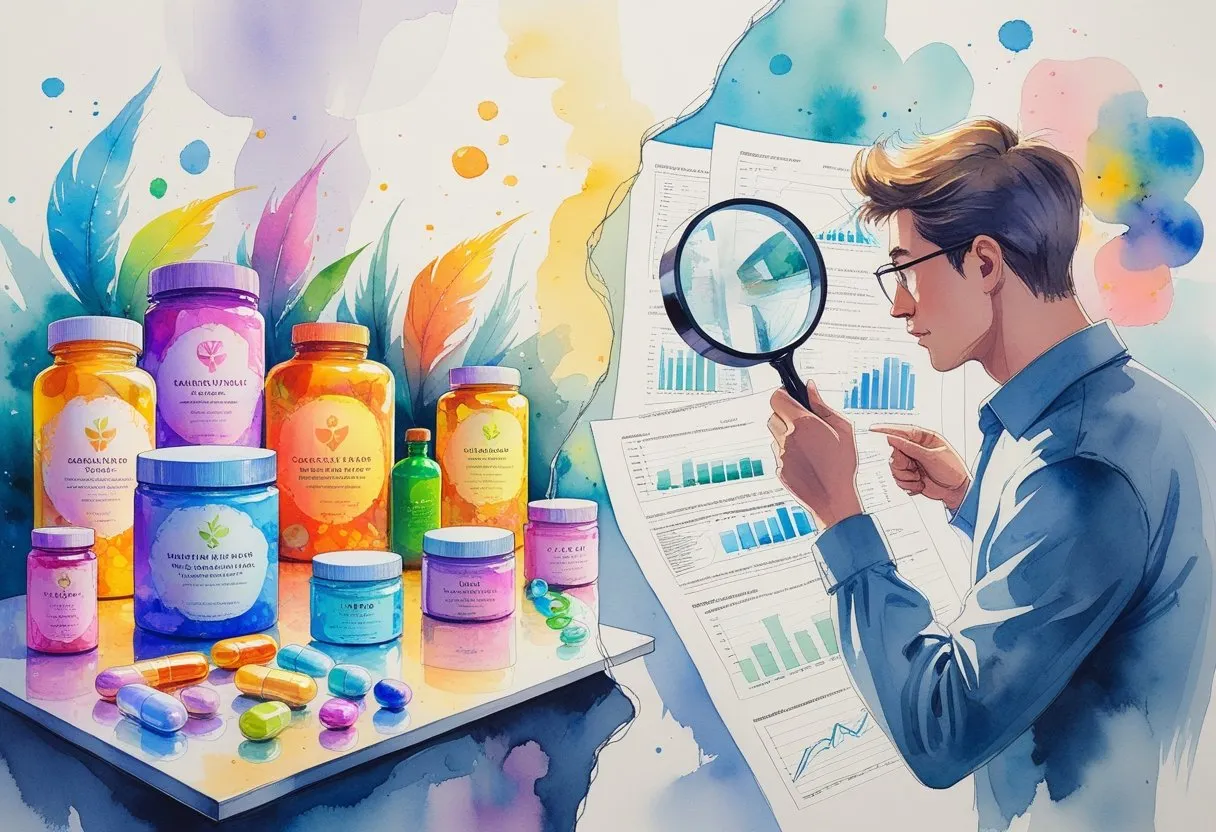
Wellness marketers often mix scientific-sounding language, celebrity endorsements, and emotional triggers to make products seem risk-free and essential. You should watch for vague claims, unverifiable "studies," and pressure tactics that push quick purchases.
Pseudoscience and Buzzwords
Marketers use terms like "detox," "biohacking," and "cellular rejuvenation" without defining measurable outcomes. When you see phrases such as "clinically proven" or "supports healthy cells" check for a clear study reference, sample size, and whether the research was peer-reviewed.
Look for concrete evidence: randomized controlled trials, effect sizes, and replication. If a product cites a single small study, animal research, or unpublished "internal data," treat the claim skeptically.
Also watch ingredient lists. Ingredients marketed with exotic names may simply be common nutrients at doses far below therapeutic levels. Demand specific doses and mechanisms rather than buzzwords.
Influencer-Driven Misinformation
Influencers often promote supplements, diets, or devices without disclosing sponsorships or limitations of the product. You should verify whether endorsements come from paid partnerships and whether the creator has relevant expertise.
Influencer content emphasizes personal anecdotes, which can mislead you about typical results. Ask for objective metrics: what proportion of users saw benefit, over what time frame, and what adverse effects occurred.
Check for independent reviews and regulatory warnings. If many reputable sources or clinicians do not back the claim, treat the influencer's recommendation as marketing, not medical advice.
Emotional Appeals in Advertising
Wellness ads exploit fear (aging, disease), aspiration (ideal body, peak performance), and urgency ("limited time" or "last chance"). These tactics push fast decisions instead of thoughtful evaluation. You should pause when an ad stresses immediate action and seek independent evidence before buying.
Emotional language often substitutes for data. Ads that highlight transformative before-and-after photos rarely show controls or standardized conditions. Demand transparent outcome measures, realistic timelines, and clear information about risks and cost. When you see emotional claims, ask for verifiable evidence and clinical context to decide whether the product fits your real health needs.
Tips for Making Informed Wellness Choices
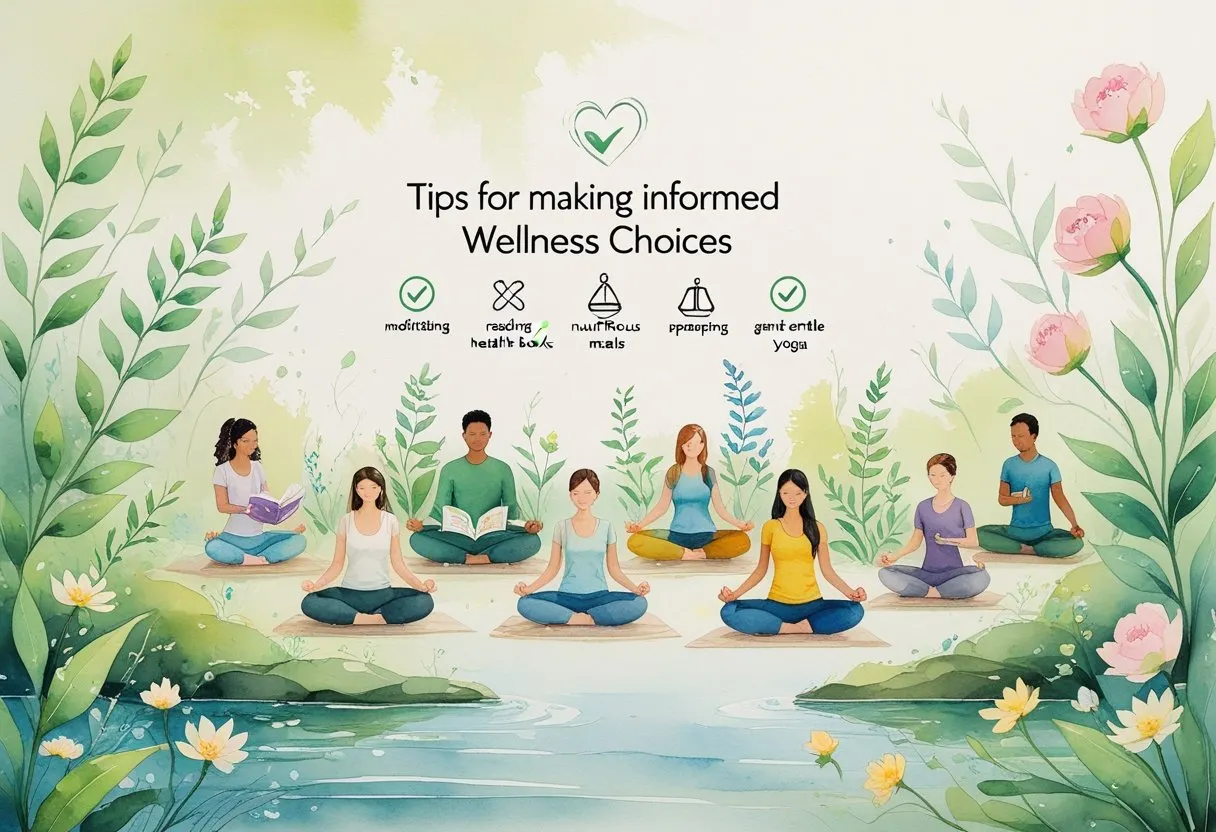
Focus on evidence, qualified advice, and how a change fits your specific health goals, schedule, and budget. Prioritize small, testable changes and track measurable outcomes so you can tell what actually helps.
Developing Critical Thinking Skills
Learn to read claims, not headlines. Check whether a study is a randomized controlled trial, observational study, or anecdote. Look for sample size, study duration, and whether results have been replicated.
Ask concrete questions: Who funded the study? Was there a control group? What outcomes were measured and are they clinically meaningful (e.g., reduced blood pressure vs. “feeling energized”)? Use trusted sources like NIH, peer-reviewed journals, or systematic reviews rather than single-blog summaries.
Use a simple checklist when you evaluate a trend:
Source credibility: academic, government, or commercial?
Evidence type: randomized trial, cohort, case series, or testimonial?
Effect size and relevance: is the benefit large and applicable to your age/condition?
Test small changes for a defined period (2–12 weeks) and record objective measures—sleep hours, body weight, blood pressure, or symptom frequency—so claims meet your lived experience.
Consulting Health Professionals
Identify the right professional for the question: primary care for chronic disease, registered dietitian for nutrition, licensed therapist for mental health, or specialist for complex conditions. Verify credentials and ask about experience with the specific trend.
Bring specifics to appointments: the supplement name and dose, the program structure, and any side effects you’ve noticed. Ask clear, factual questions: “Is this safe with my medications?” “What objective benefits should I expect in three months?” “Which tests should we do to monitor progress?”
If you use online sources, cross-check them during the appointment. Get written or emailed follow-up advice when possible so you have a record. If professionals disagree, weigh their reasoning and evidence rather than credentials alone.
Balancing Trends with Personal Needs
Match any trend to your realistic capacity: time availability, budget, and current health status. If a practice requires daily 60-minute sessions and you only have 15 minutes, choose a scaled version with measurable goals.
Prioritize interventions with multiple proven benefits, such as:
Regular moderate exercise (cardio + resistance)
Mediterranean-style eating pattern
Sleep consistency and light exposure Set objective benchmarks and timelines: for example, 150 minutes of moderate exercise per week for 12 weeks, then reassess energy, weight, and mood. Track costs and side effects alongside benefits.
Use an elimination approach: add one change at a time and keep it for a trial period. If you adopt a supplement, check interactions, monitor labs if indicated, and stop if no benefit or if harms arise.
Staying Updated With Reliable Information
You need sources that publish evidence, disclose conflicts, and update guidance as new studies emerge. Prioritize organizations, outlets, and databases that provide methods, references, and expert review rather than opinions or marketing.
Recognizing Trusted Health Organizations
Look for organizations that produce guidelines, systematic reviews, or toolkits and that list their funding and authors. Examples include the NIH, CDC, WHO, and specialty societies (e.g., American Heart Association). These groups usually link to primary studies, explain strength of evidence, and update recommendations when new data appear.
Check for these signs of trustworthiness:
Transparency: author names, credentials, funding, and conflicts of interest are visible.
Methodology: use of peer review, systematic review methods, or clear evidence grading.
Timeliness: dates on recommendations and references to recent trials or meta-analyses.
Avoid sites that primarily sell products, highlight anecdotes, or omit citations. When a society issues a guideline, verify whether it’s consensus-based or evidence-graded so you know how strong the recommendation is.
Utilizing Credible News Sources
Choose news outlets with health desks or reporters who cite studies and interview multiple experts. Reputable examples include science sections of major outlets and specialized sites like Home Health Care News or public-health newsletters such as Harvard Health or NIH Updates.
When reading an article, scan for:
Primary study links: direct links to the original research or to journal abstracts.
Context: whether the piece explains study design, sample size, and limitations.
Balanced sourcing: quotes from independent experts, not only study authors or company representatives. Use alerts and curated newsletters for efficiency.
Subscribe to a few trusted outlets and set keyword alerts for topics you track (e.g., “gut microbiome randomized trial”). This reduces reliance on social feeds, where headlines often overstate results.
Leveraging Scientific Databases
Go to primary sources when you need depth: PubMed, Cochrane Library, and clinical trial registries like ClinicalTrials.gov provide direct access to trials, systematic reviews, and protocols. These databases show study design, sample size, outcomes, and registration status.
Practical search tips:
Use filters for study type (randomized controlled trial, systematic review) and date range.
Read abstracts first, then check methods and results sections for effect sizes and confidence intervals. Look at funding and registration entries to spot potential bias.
If you’re not familiar with statistics, rely on systematic reviews or evidence summaries from trusted organizations rather than single studies. When a trial looks promising, check for replication and whether guidelines or meta-analyses have incorporated it.
Conclusion
You can navigate wellness trends without buying every new promise. Focus on practices that show consistent evidence and fit your life, not the headlines.
Look for these signals when evaluating a trend:
Peer-reviewed studies and replicable results.
Transparent mechanisms explaining how a benefit occurs.
Reasonable claims that match study size and population.
Expert consensus rather than single influencers or anecdotes.
Apply small experiments to test what works for you. Track objective measures when possible sleep, strength, mood, and set a clear trial period.
Be skeptical of quick fixes and miracle solutions. If something sounds too broad, too perfect, or requires a proprietary product to work, demand stronger evidence.
Prioritize durability over novelty. Strength training, consistent sleep habits, balanced nutrition, and regular medical checks have decades of support.
Use the checklist below when you encounter a new trend:
Is there quality research? Do reputable experts endorse it?
Are benefits plausible and measured?
Can you try it safely and reversibly?
Trust your critical judgment. Let evidence guide your choices, and adapt practices that reliably improve your health and fit your priorities.
Related Articles

Digital wellness for families means practical decisions about device use, privacy, content, and shared routines that support sleep, learning, and relationships.

Small shifts in microbes, barrier function, or motility can produce clear symptoms and measurable changes in blood markers.

This article breaks down what drives burnout and how to spot evidence-based warning signs.
Copyright 2021 by HealthyLifeForward. All rights reserved.
This site is not a part of the Youtube website or Youtube Inc. Additionally, This site is NOT endorsed by Youtube in any way. YOUTUBE is a trademark of YOUTUBE, Inc.